
Views: 0 Author: Site Editor Publish Time: 2026-01-14 Origin: Site


As global manufacturing faces unprecedented pressure from both market competition and environmental regulations, a new paradigm is emerging: Sustainable Precision Manufacturing. This is not merely about compliance or green marketing—it’s a fundamental re-engineering of how precision components are designed, produced, and delivered, creating value through both technical superiority and ecological intelligence.
True sustainability in precision manufacturing operates across three interconnected dimensions:
1. Environmental Precision – Minimizing ecological footprint through:
Closed-loop coolant systems that reduce fluid consumption by 95% and eliminate hazardous wastewater
Energy-recovery spindles converting braking energy back to grid power
Advanced air filtration capturing 99.97% of particulate matter including nano-scale metal aerosols
Minimum Quantity Lubrication (MQL) systems using milliliters instead of liters per hour
2. Economic Precision – Creating competitive advantage through:
Material optimization algorithms increasing yield from 65% to 92% on expensive aerospace alloys
Predictive maintenance reducing unplanned downtime by 40-60%
Extended tool life through optimal cutting parameters (30-50% longer tool life)
Waste valorization turning metal chips into high-value additive manufacturing powder
3. Technical Precision – Maintaining excellence while being sustainable:
Energy-aware machining strategies that maintain ±0.005mm tolerances while reducing power consumption by 25%
Dry machining capabilities for medical and aerospace components where chemical residues are unacceptable
Lightweighting through design reducing material use by 30-50% without compromising structural integrity
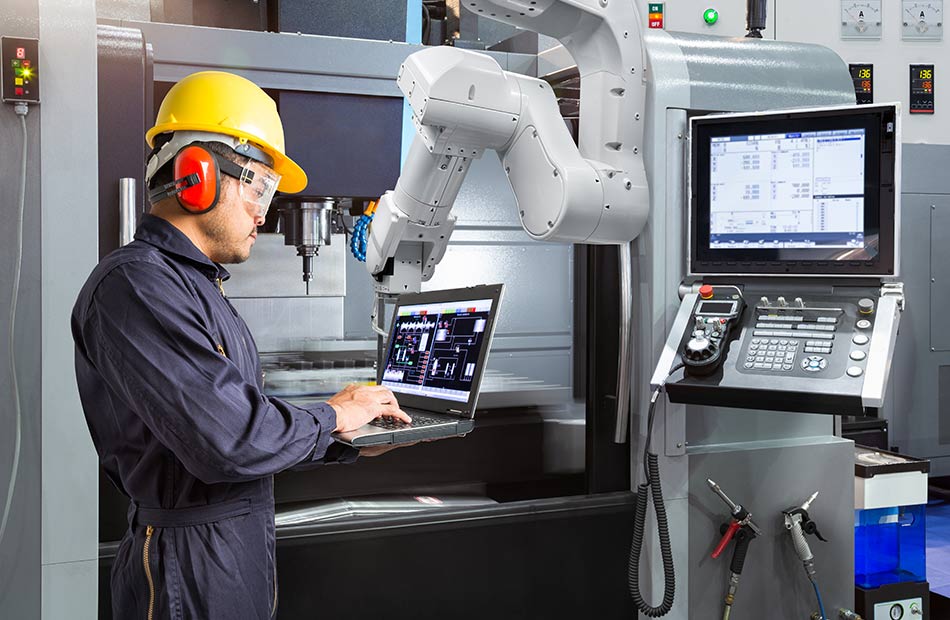
Modern sustainable manufacturing employs a sophisticated array of technologies:
Digital Process Twins
Virtual simulations that optimize every aspect of production before material is ever cut. These systems can predict energy consumption, material waste, and even carbon emissions for different manufacturing strategies, allowing engineers to choose the most sustainable path to precision.
AI-Driven Resource Optimization
Machine learning algorithms analyze thousands of production variables to find the perfect balance between speed, accuracy, and resource efficiency. One automotive supplier reduced their energy-per-part by 34% while improving surface finish quality by implementing such systems.
Circular Material Flows
Advanced material tracking and reclamation systems ensure that every gram of metal is accounted for and optimally utilized. Chips are immediately classified by alloy type, cleaned, and prepared for reuse—either returned to material suppliers or used in secondary applications.
Aerospace & Defense
Titanium machining with cryogenic cooling eliminates chemical coolants while improving tool life
Additive-subtractive hybridization reduces buy-to-fly ratios from 10:1 to 3:1
Digital thread for lifecycle management enables component tracking and remanufacturing
Medical Device Manufacturing
Solvent-free cleaning processes using supercritical CO₂
Biocompatible machining that eliminates post-production purification steps
Single-use tooling programs with take-back and recycling guarantees
Automotive Electrification
Battery tray machining with dry or minimum-lubrication strategies
Lightweighting through generative design and precision machining
End-of-life recovery protocols for motor components and power electronics
The industry is moving beyond vague "green" claims to quantifiable metrics:
Carbon Per Precision Unit (CPPU): grams of CO₂ equivalent per micrometer of tolerance held
Material Utilization Index (MUI): percentage of raw material converted to shipped product
Energy Quality Ratio (EQR): energy consumed relative to achieved surface finish and accuracy
Circularity Score: percentage of material that can re-enter production cycles
Forward-thinking manufacturers are discovering that sustainability drives profitability:
Reduced Operational Costs
40-60% lower waste disposal expenses
25-35% reduced energy costs
15-25% longer tool and machine life
Enhanced Market Position
Preferred supplier status with sustainability-focused OEMs
Access to green financing and government incentives
Stronger brand positioning in environmentally conscious markets
Future-Proofing Operations
Compliance with emerging carbon regulations
Resilience against resource price volatility
Attraction and retention of next-generation engineering talent
Transitioning to sustainable precision manufacturing follows a logical progression:
Phase 1: Assessment & Baselining (1-3 months)
Comprehensive audit of energy, material, and chemical flows
Establishment of key sustainability metrics
Identification of quick-win opportunities
Phase 2: Technology Integration (3-9 months)
Implementation of monitoring and optimization systems
Equipment upgrades for highest-impact processes
Development of closed-loop systems for critical resources
Phase 3: Systemic Optimization (6-18 months)
Full digital twin implementation
Supply chain collaboration for circularity
Continuous improvement through AI-driven analytics
Phase 4: Leadership & Innovation (Ongoing)
Development of proprietary sustainable processes
Industry partnership for standards development
Creation of new business models around sustainable precision
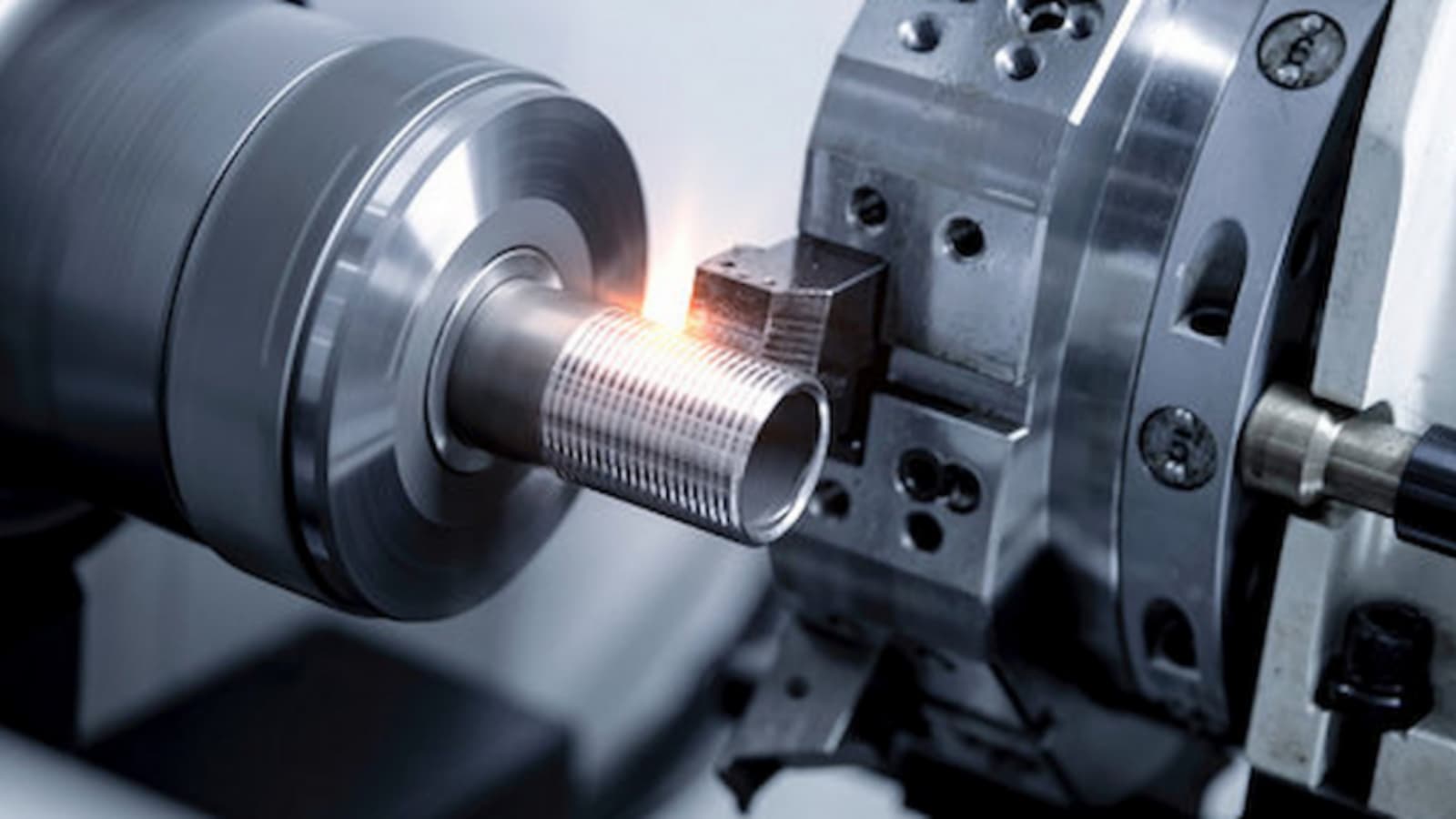
Emerging technologies promise to further revolutionize the field:
Self-Powered Machine Tools
Experimental systems using piezoelectric materials to harvest vibration energy for onboard sensors and controls.
Carbon-Negative Manufacturing
Processes that actively sequester carbon during production, such as using certain metal-organic frameworks in filtration systems.
Biological Machining
Employing specialized bacteria for ultra-precise material removal in biomedical applications, eliminating energy-intensive processes.
Quantum-Sensitive Sustainability
Manufacturing systems so precise they can operate at theoretical thermodynamic limits of efficiency.
Sustainable Precision Manufacturing represents the inevitable fusion of two powerful trends: humanity's need for technological progress and our responsibility to the planet. It proves that the highest standards of quality need not come at the expense of environmental stewardship—in fact, they are increasingly two sides of the same coin.
The manufacturers who master this synthesis will not only lead their industries but will help define what responsible progress looks like in the 21st century.
Ready to align your precision with your principles? Our Sustainable Manufacturing Assessment provides a detailed roadmap tailored to your specific operations and ambitions.






 English
 简体中文
简体中文