
Views: 0 Author: Site Editor Publish Time: 2026-09-26 Origin: Site


When engineers specify aluminum for CNC machined components, one alloy dominates the conversation: 6061-T6. It has become the de facto standard for everything from aerospace brackets to robotics chassis plates, prototype enclosures to production fixtures.
But what makes 6061-T6 so special? Why do machine shops recommend it over 7075, 2024, or 6082 for the majority of milling projects?
This guide breaks down the real benefits of CNC milling 6061-T6 aluminum parts—mechanical, economic, and practical—so you can make informed material decisions for your next project.
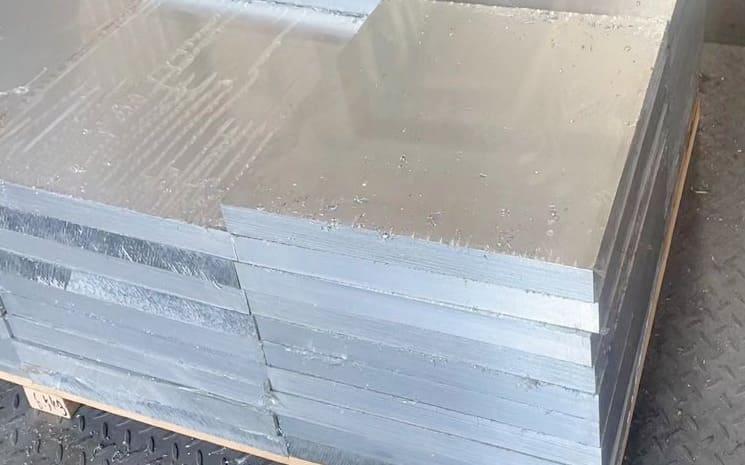
6061 is a precipitation-hardened aluminum alloy containing magnesium and silicon as its primary alloying elements. The T6 temper is achieved through solution heat treatment followed by artificial aging, which significantly increases its strength compared to the annealed (O) condition.
The result is a material that balances strength, corrosion resistance, and machinability better than almost any other aluminum grade available.
Key mechanical properties at a glance:

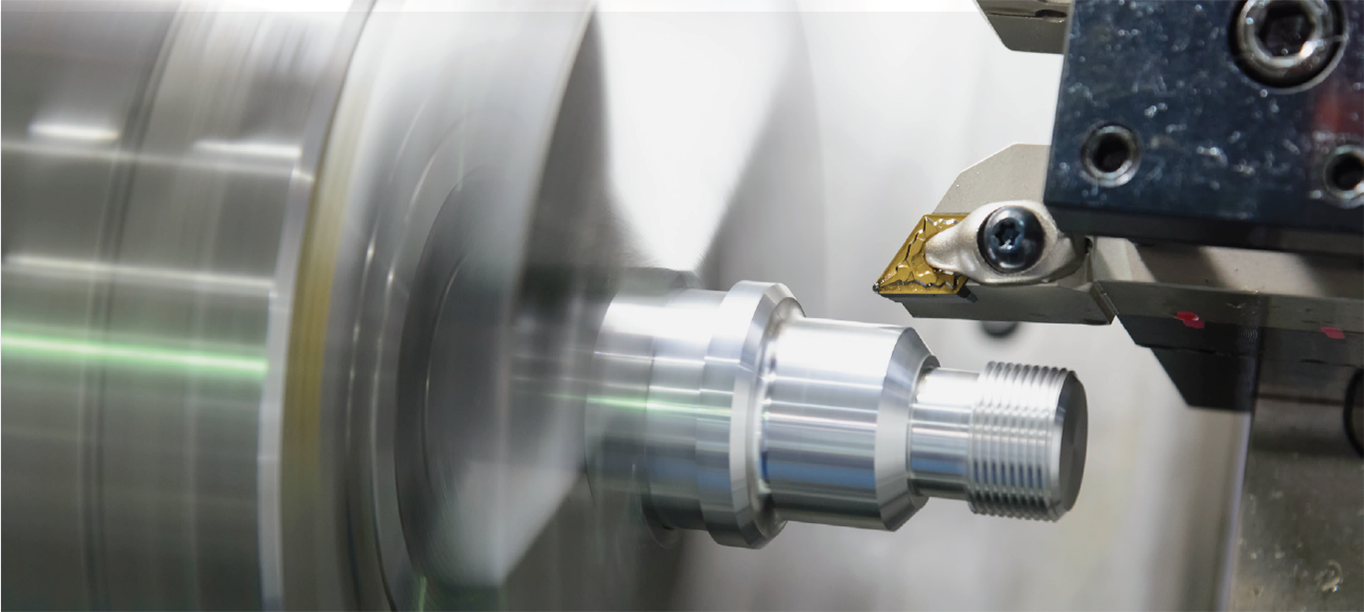
6061-T6 is widely regarded as having excellent machinability among aluminum alloys. It produces clean, well-broken chips rather than the long, stringy swarf that plagues softer 5000-series alloys. This translates to:
Faster cycle times — higher feeds and speeds are possible without compromising surface finish
Better tool life — predictable cutting behavior reduces unexpected tool wear
Consistent results — less variation between parts, especially important for production runs
Forgiving parameters — it tolerates less-than-perfect feeds and speeds better than many alternatives
For machine shops, this means 6061-T6 is a low-risk material that delivers reliable results whether you're running a prototype or a thousand-piece order.

6061-T6 offers a yield strength of approximately 276 MPa, which is significantly higher than pure aluminum or 3003/5052 grades. While it doesn't match the raw strength of 7075-T6 (which reaches ~500 MPa), it provides more than enough structural integrity for the vast majority of industrial applications.
This balance is critical: you get strength without the machining challenges that come with higher-strength alloys. 7075 is stronger but more prone to warping, harder on tooling, and significantly more expensive.
6061-T6 has good general corrosion resistance, rated "B" in Kaiser Aluminum's comparative ratings—meaning it can be used in industrial and seacoast atmospheres without protective coating in many cases.
More importantly, it responds exceptionally well to anodizing. The T6 temper produces a uniform, dense oxide layer when anodized, making it ideal for parts requiring:
Type II decorative anodizing (clear, black, or colored)
Type III hardcoat anodizing for wear resistance
Powder coating or painting with excellent adhesion
This combination of natural corrosion resistance and finishing response makes 6061-T6 suitable for outdoor enclosures, marine components, and consumer-facing products.
Aluminum alloys with high copper content (like 2024) or zinc content (like 7075) are notoriously prone to stress-induced warping during machining. Internal stresses locked into the raw stock release as material is removed, causing thin walls to bow and flat plates to twist.
6061-T6 is far more stable in this regard. While stress relief is still recommended for critical thin-wall parts, the T6 temper's metallurgical structure is more resistant to distortion than many high-strength alternatives.
For parts with tight flatness requirements or thin features, this stability dramatically reduces scrap rates and post-machining straightening operations.
6061-T6 is widely available in virtually every form: plate, bar, tube, and extrusion. This ubiquity translates to:
Lower material cost — typically 20-40% less than 7075-T6
Shorter lead times — domestic suppliers stock it in standard sizes
Reduced machining cost — faster cutting and better tool life lower the per-part price
Less scrap — predictable machining means fewer rejected parts
For projects where 7075's extra strength isn't strictly necessary, 6061-T6 delivers 90% of the performance at a fraction of the total cost.
Unlike 7075 and 2024—which are generally considered non-weldable for structural applications—6061-T6 is readily weldable using all common methods including MIG and TIG.
This matters for designs that combine CNC milling with welded assemblies. You can machine a 6061-T6 base plate, weld a fabricated frame to it, and heat-treat the assembly if needed—a workflow impossible with many high-strength aluminum alloys.

he takeaway: 6061-T6 is the "Goldilocks" aluminum alloy—strong enough for structural applications, machinable enough for efficient production, and affordable enough for projects with real budget constraints.
Industrial & Automation:
Robot chassis plates and drive housings
Sensor mounts and camera brackets
Fixtures, jigs, and workholding
Conveyor components and machine guards
Automotive & Transportation:
Brackets and mounting bases
Motorcycle brake caliper brackets
Interior structural components
Prototype engine and drivetrain parts
Aerospace & Defense:
Non-critical structural brackets
Ground support equipment
Enclosures and housings
Consumer & Electronics:
Enclosures and bezels
Heat sinks and thermal management
Camera accessories and tripod components
Prototyping & Product Development:
Functional prototypes requiring real material properties
Design validation before tooling investment
Bridge production while hard tooling is prepared
To maximize the benefits of 6061-T6, keep these machining principles in mind:
Single-flute or 2-flute end mills with polished flutes work best
Avoid 3+ flute tools for roughing—chip evacuation becomes problematic
ZrN or DLC coatings reduce aluminum adhesion
Never use dull tools—aluminum welds to worn edges instantly
Carbide cutting speeds: 300-1,000 m/min
6mm end mill: ~12,000-18,000 RPM with 1,000-3,000 mm/min feed
Chip load: 0.05-0.15 mm/tooth for finishing, 0.10-0.25 for roughing
For thin or critical parts:
Request stress-relieved (T651) stock from your supplier
Rough both sides before finishing either side
Leave 0.5-1.0 mm finishing stock
Use light finishing passes (under 0.25 mm depth)
Standard milling achieves Ra 1.6-3.2 µm. With optimized finishing passes, Ra 0.8-1.6 µm is achievable. Anodizing can further improve appearance and wear resistance.
Is 6061-T6 good for CNC machining?
Yes. 6061-T6 is considered one of the best all-around aluminum alloys for CNC milling due to its excellent machinability, balanced strength, and predictable cutting behavior.
Can 6061-T6 be anodized after machining?
Absolutely. 6061-T6 responds exceptionally well to anodizing, producing uniform, attractive finishes in Type II (decorative) or Type III (hardcoat) processes.
What is the difference between 6061-T6 and 6061-T651?
T651 indicates the material has been stretched after heat treatment to relieve internal stresses. For thin or critical parts, T651 is preferred to minimize warping during machining.
Is 6061-T6 stronger than 7075?
No. 7075-T6 has roughly double the yield strength of 6061-T6. However, 6061 is more machinable, more corrosion-resistant, weldable, and significantly cheaper—making it the better choice for most applications that don't require extreme strength.
What tolerances can be held on 6061-T6?
With proper fixturing and a capable machine, ±0.01 mm (±0.0004") is achievable on critical features. Standard tolerances are typically ±0.125 mm (±0.005").

After decades of material science advancement, 6061-T6 still dominates CNC milling for one simple reason: it works. It delivers the right combination of strength, machinability, corrosion resistance, finishing response, and cost for the vast majority of industrial and commercial applications.
When your project demands a material that machines cleanly, holds tight tolerances, resists the environment, and won't break the budget—6061-T6 is almost always the right answer.
For projects requiring maximum strength and weight savings, 7075-T6 remains the specialist choice. But for everything else, 6061-T6 is the workhorse that keeps production moving.
Ready to start your next CNC milling project? [Contact us] for a quote on 6061-T6 aluminum parts, from prototype to production.


 English
 简体中文
简体中文